Gangubai Kathiawadi
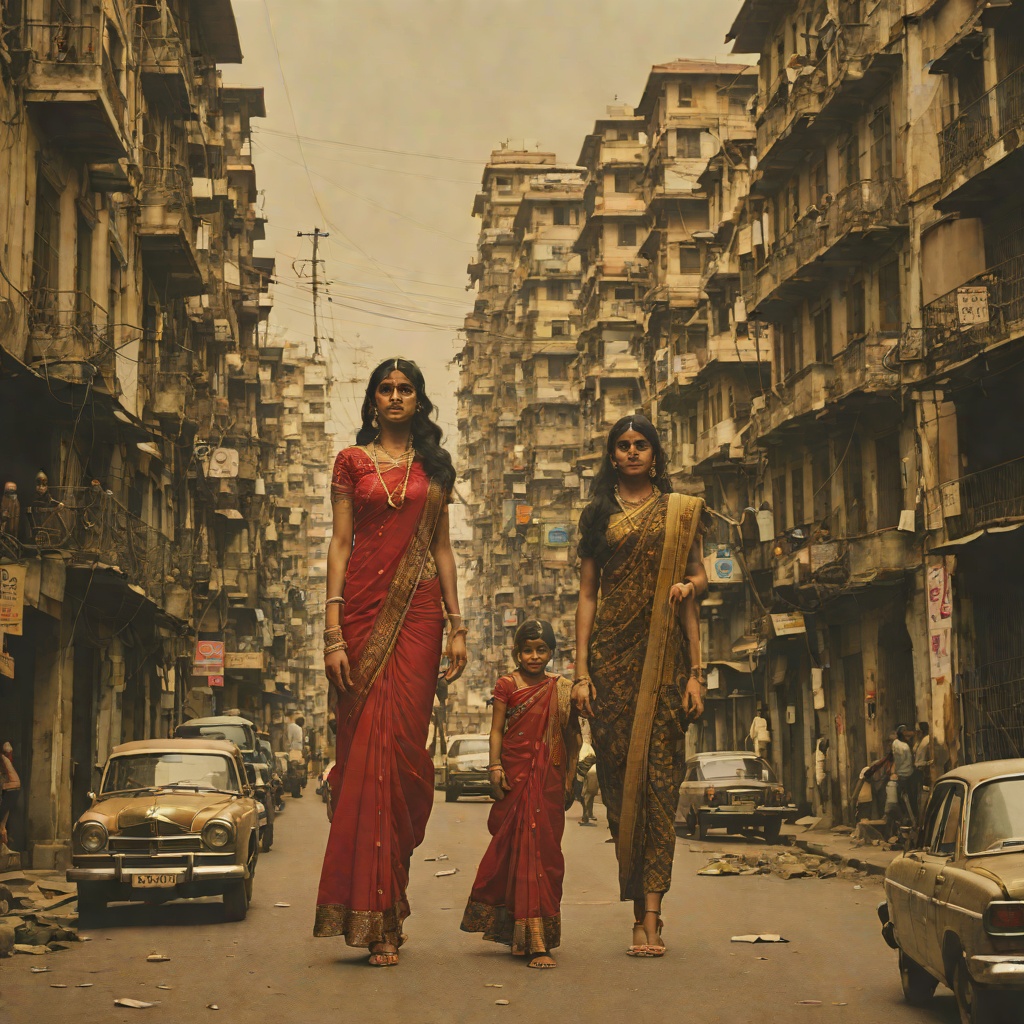
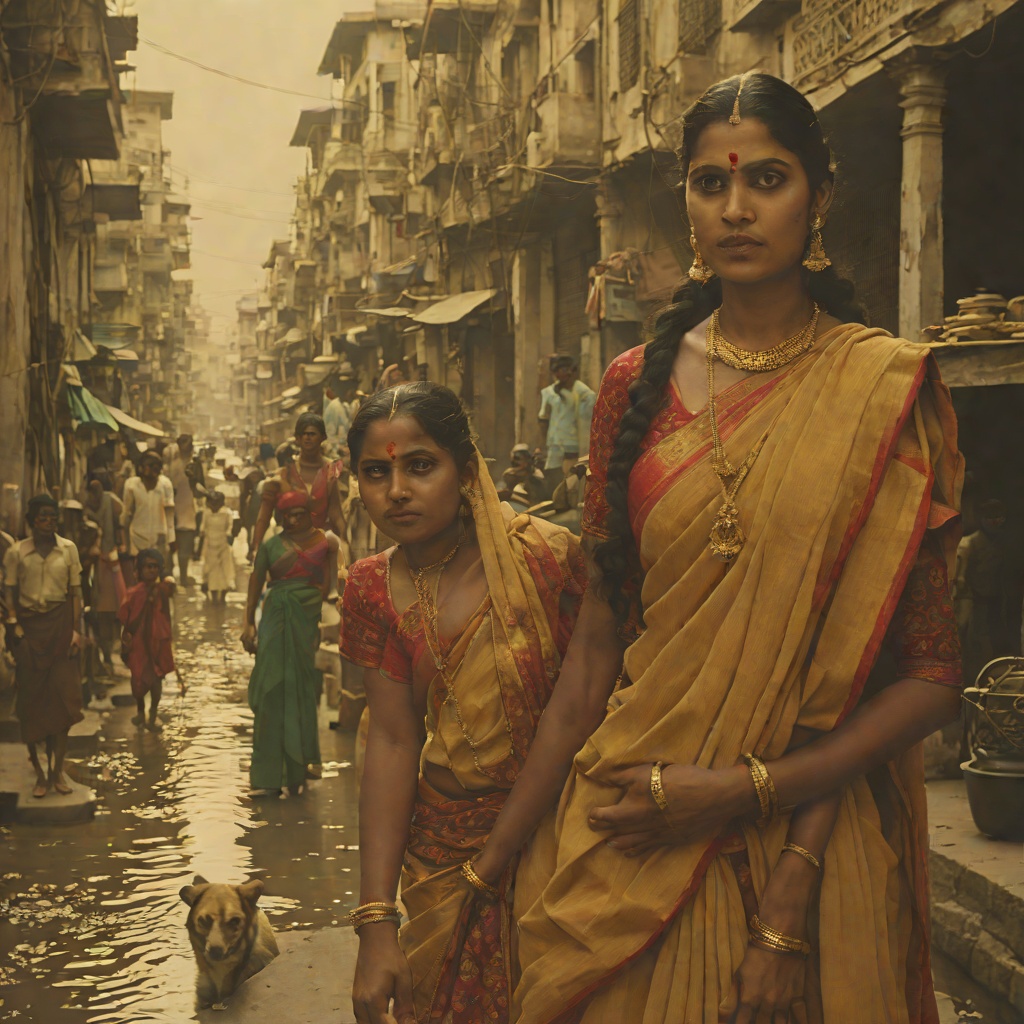
Mafia Queens of MumbaiGangubai Kathiawadi, born Ganga Harjeevandas Kathiawadi, was the most renowned brothel madam in the history of Kamathipura, Mumbai's infamous red-light district. Her life was a dramatic arc from a privileged, educated girl in a Gujarati village to a betrayed teenager sold into prostitution, and finally to an iron-willed queen who controlled the lanes of Kamathipura with an authority that commanded respect from sex workers, police officers, and gangsters alike. She was a woman who pushed the boundaries of the dominant moral codes of her time, transforming a life of victimhood into one of formidable power, and her legacy as the 'queen of Kamathipura' endures in the framed pictures and statuettes that still adorn the brothels of the area today.
Identity and Background
Ganga Harjeevandas Kathiawadi was brought up in the village of Kathiawad in Gujarat, in a family of reputed lawyers and educationists who shared strong ties with the royal Kathiawadi family. Her father and brothers were strict disciplinarians who took a keen interest in her education, which was unusual for rural families in the 1940s. Despite this privileged and disciplined upbringing, young Ganga's heart lay elsewhere: she was captivated by films and acting. Friends who had visited Mumbai spoke to her about its buildings, cars, men, and movies, and she soon became obsessed with the desire to visit the city. This desire was heightened when her father employed twenty-eight-year-old Ramnik Laal as the new accountant. Besotted by him and learning that he had spent years in Mumbai, she found herself drawn to him, visiting him on the pretext of offering tea and lunch. Their discussions soon catapulted into love, and Ramnik promised to get her a role in a film through his industry contacts. He then asked her to marry him, and when she knew her parents would not approve, he suggested they go to Mumbai together. Ganga, madly in love and willing to take a risk for the first time, accepted, but her conservative upbringing required them to marry first. The day before they left for Mumbai, Ganga and Ramnik were married, setting the stage for the betrayal that would define her life.
Life and Plot Trajectory
Ganga's journey to Mumbai ended in the brutal reality of Kamathipura, where she was sold into prostitution. She went through the nath utarna ceremony, the ritual deflowering of a new sex worker, stoically, cringing deep down but cooperating fully with the seth, knowing this was now her profession. The seth was happy with her, tipped her well, and gifted her a gold ring. On his way out, he asked her name, and after a moment's hesitation, she replied, 'Gangu.' She had decided to do away with everything from her past, and from that point on, Ganga became Gangu. Her life took a pivotal turn when she was wronged by Shaukat Khan, a member of the feared Pathan gang led by Karim Lala. In a bold and unprecedented move, Gangu approached Karim Lala directly, offering herself as his concubine for life if he would punish his man for the wrong done to her. Karim Lala, shocked by her audacity, refused the offer but agreed to pull up his man. This connection with the most feared gangster in south Mumbai put her on an entirely new pedestal, and under the tutelage of her rakhi brother, she began to develop strong ties with the Nagpada police and the underworld. When Sheela, the madam who had controlled her, suddenly passed away, people coaxed Gangu to stand for the customary local gharwali elections. She agreed, hoping it would put paid to her job as a prostitute, and won, becoming a brothel madam at a very young age. She was now called Gangubai Kathewali, a distorted version of the word kothewali, which also means 'performing sex workers,' a last remaining association with her family name, Kathiawadi.
Key Actions and Objectives
As a brothel madam, Gangubai's primary objective evolved from mere survival to the protection and control of the women in her domain. When Madhu, a girl sold into prostitution, refused to eat or drink and became a stone, Madam Rashmi, who owned her, turned to Gangubai for help. Gangubai, a renowned madam who owned several brothels and had immense influence over the women who worked in them, came to speak to her. Dressed in a white saree, the five-foot-tall Gangubai entered Madhu's room, latched the door, and sat beside her on the cot, ignoring the chair specially placed for her. After hearing the girl's story of being sold by her lover, Gangubai was silent, flooded with memories of her own betrayal at sixteen. She then told Madam Rashmi to let the girl go, attributing the loss of the thousand rupees paid for her to business loss, and ordered that no girl be pushed around against her will. The news of her gesture spread like wildfire, and she became known as the only brothel madam who did not give priority to business and money but to women. Madhu's flight set a precedent, and other women now approached Gangubai; if their cases were genuine, she allowed them to leave, but if not, she ensured their escape was improbable. She protected sex workers from men like Shaukat Khan who abused them or took advantage of them, and these men feared her for her connections with the underworld and the police, while the sex workers revered her as a mother, calling her Ganguma. Her victory in the bade gharwali elections only strengthened this position, and she came to control Kamathipura's brothels with an iron fist.
Relationships and Conflict
Gangubai's relationships were defined by a complex web of power, protection, and patronage. Her bond with Karim Lala, forged through her audacious offer, transformed her from a vulnerable prostitute into a woman with the backing of the most feared gangster in south Mumbai. She tied a rakhi to him, making him her rakhi brother, a bond that gave her a unique form of protection and legitimacy. This connection was the foundation of her power, allowing her to develop ties with the police and the underworld that other madams could only dream of. Her relationship with the sex workers of Kamathipura was that of a matriarch, a Ganguma who protected them from abusive men and the police, but also controlled them with an iron fist. A former restaurateur in Kamathipura noted that she was not all milk and honey, that there was surely a dark side to her that people have chosen to forget, as one cannot prosper in the business of running a brothel with thousands of women otherwise. Her conflict with the state and society was most visible in her advocacy for prostitution belts. When anti-prostitution sentiment swelled in the early 1960s, with authorities of St Anthony's Girls' High School and locals wanting the red-light belt evacuated, sex workers sought her help, and she successfully spearheaded the movement against their evacuation. Her political connections also won her an appointment with the then prime minister of India, Jawaharlal Nehru, at his residence in New Delhi, making her the only local brothel madam to secure an appointment with the head of the country. In a private meeting, she explained to him the importance of the red-light area in Mumbai and the need to protect it, impressing him with her wit and clarity of thought.
Change and Ending
Gangubai's life was one of continuous transformation, from the naive Ganga to the betrayed Gangu, and finally to the powerful Gangubai. She never got married, but she adopted several children who lived with her in her small room in Kamathipura 12th Lane, most of them orphans or homeless. She took a keen interest in bringing them up and ensured they received a good education, though of all these children, only one, Babbi, lives in Kamathipura today. According to Babbi, Ganguma began her day reading the Gujarati newspaper Janmbhoomi and sipping her tea at 6 in the morning, followed by breakfast and playing cards next door. She was a hard-core gambler who gambled almost daily, and she had many vices: she smoked bidis, drank Ranichaap, and chewed paan. She also hobnobbed with several journalists and ministers. Gangubai died of old age some time between 1975 and 1978. Soon after, effigies of her were placed in the brothels of the area. Today, Kamathipura 12th Lane, once said to be the richest lane in the area, is a shadow of its former self, a far cry from the time of the iron-willed Gangubai, who was remembered for her gold-bordered white sarees, gold-buttoned blouses, gold-rimmed glasses, an artificial gold tooth, and her black Bentley car, the only brothel keeper of her time to own one.
Narrative Role and Evaluation
In the book's narrative, Gangubai stands as a central example of the complex minds and psyches of women criminals, a figure who was not a blank slate written upon by dangerous male mafia members. The book's author notes that there is no simplistic cause-effect way of looking at her life, and that for women like her, crime was not only a way of transcending poverty and limitations but also a life-saving concept. Gangubai's story is presented as one of the most extraordinary and powerful tales of thirteen women from the world of crime, flourishing at a time when crimes by women were barely documented or acknowledged. Her famous speech at Azad Maidan, where she stunned her organisers and the audience with the opening line, 'I am a gharwali (a brothel madam) not a ghar todnewali (home wrecker),' and argued that the notorious women of Kamathipura should be partly credited for the safety of Mumbai's streets, is a testament to her rhetorical power and her ability to frame her profession as a form of social protection. A social worker from the area who was initially sheltered by Gangubai describes her as 'the queen of Kamathipura,' noting that even today, framed pictures and statuettes of Gangubai are there in the brothels of Kamathipura, and that while people may not have known her, they have surely heard of her. Her life, replete with anecdotes and stories that have become lore, including the apocryphal tale of her meeting with Nehru, cements her status as a legendary figure whose legacy transcends the narrow lanes of the red-light district.